

Sri Lanka eyes modernizing shrimp industry with FAO-backed digital and biosecurity project
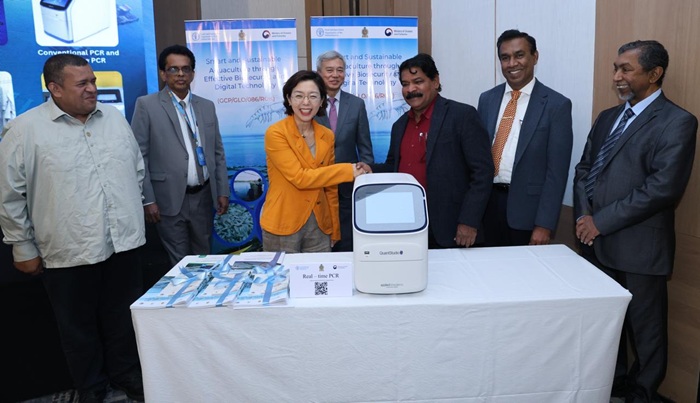
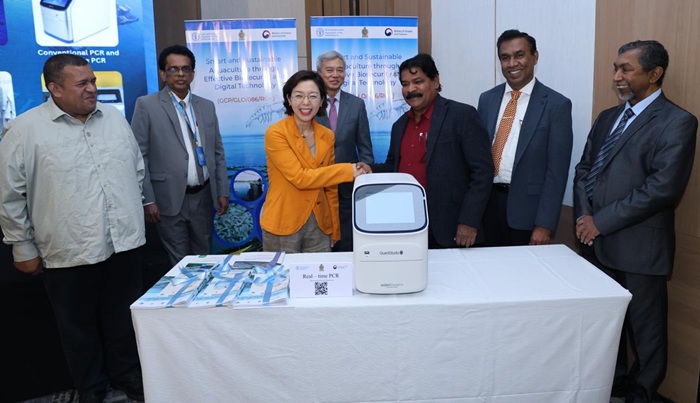
Sri Lanka has marked a significant milestone in modernizing its shrimp aquaculture industry with the successful completion of the project “Smart and Sustainable Aquaculture through Effective Biosecurity and Digital Technology.”
The project is implemented by the Food and Agriculture Organization of the United Nations (FAO) in partnership with the Ministry of Fisheries, Aquatic and Ocean Resources, with financial support from the Government of the Republic of Korea.
According to the FAO, the four-year initiative has strengthened biosecurity systems, introduced digital innovations, improved food safety, and enhanced technical capacity across Sri Lanka’s shrimp value chain.
A key achievement of the project is the development of Sri Lanka’s National Strategy on Aquatic Animal Health, providing a comprehensive framework to improve disease prevention and management in aquaculture. The strategy is supported by a national aquatic pathogen list, disease profiles for major shrimp diseases, and a nationwide survey covering 699 shrimp farms. GIS-based mapping and farm profiling now enable more targeted disease surveillance, environmental monitoring, and planning. Laboratory capacity for aquatic animal health has also been enhanced, including upgrades to NAQDA facilities and improved access to modern diagnostic equipment.
Speaking on the project, Minister of Fisheries, Aquatic and Ocean Resources, Ramalingam Chandrasekar, said, “The successful implementation of this project marks an important milestone for Sri Lanka’s aquaculture sector. By strengthening biosecurity systems and embracing digital technologies, we are enhancing the resilience, productivity, and sustainability of shrimp farming, while safeguarding livelihoods and supporting national development priorities.”
The project also introduced the National Shrimp Industry Information System (SIIS), a digital platform that integrates farm-level and national data to support real-time monitoring and decision-making. Using IoT-enabled sensors, the system captures water quality data and provides early warning alerts, enabling farmers and authorities to respond quickly to emerging risks. All shrimp farms in the Northwestern Province have been mapped under the system, supporting the transition toward a data-driven and responsive aquaculture sector.
Better Management Practices (BMP) for shrimp farming were reviewed and updated to strengthen environmental sustainability and biosecurity. These guidelines have been disseminated widely among farmers and stakeholders, supported by awareness and training programmes.
Speaking on the project, Ambassador of the Republic of Korea, Miyon Lee, reaffirmed Korea’s commitment to Sri Lanka’s sustainable development as a key development partner and commended FAO’s work to promote sustainable aquaculture in Sri Lanka. The Ambassador noted that Korea’s support will further assist Sri Lanka move toward smarter and more efficient aquaculture systems by introducing digital solutions, and thus contribute to rural livelihoods and food security.
The project also assessed Sri Lanka’s shrimp food safety systems and developed a strategic improvement plan to strengthen regulatory frameworks, laboratory capacity, and compliance with international standards, supporting improved market access and consumer confidence.
Capacity development has been central to the project’s success. A total of 450 shrimp farmers and 190 government officials were trained in areas including disease diagnostics, water quality monitoring, biosecurity, and digital data management.
To support these efforts, the project provided approximately USD 128,000 worth of equipment, including water quality monitoring systems, laboratory diagnostic tools, and IT infrastructure to strengthen field and laboratory operations.
Speaking on the project, FAO Representative for Sri Lanka, Vimlendra Sharan, said, “Through this initiative, Sri Lanka has strengthened its capacity to manage aquaculture in a more integrated and data-driven manner. The introduction of the SIIS platform, alongside improved biosecurity and technical capacity, provides a strong foundation for building a resilient and sustainable shrimp industry.”
The project’s achievements contribute to strengthening Sri Lanka’s shrimp aquaculture sector by integrating improved governance, science-based decision-making, and digital innovation. Continued collaboration between FAO, the Government of Sri Lanka, and development partners will be essential to sustain these gains and support long-term growth, improved livelihoods, and enhanced food security. (Newswire)
The post Sri Lanka eyes modernizing shrimp industry with FAO-backed digital and biosecurity project appeared first on Newswire.