

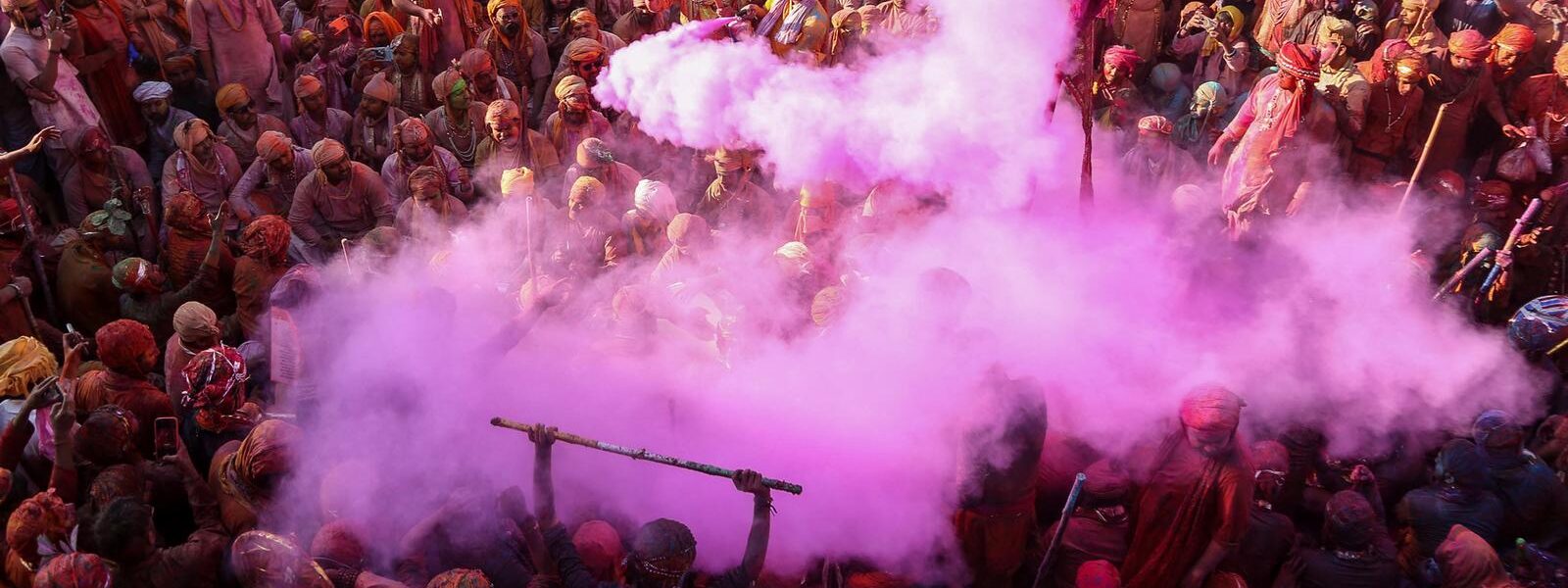
In India, Holi welcomes spring with a Festival of Colors
During the Holi festival, Indians welcome spring with a riot of color. Faces and clothes are transformed into colorful works of art. For a moment, traditional social hierarchies seem to disappear.
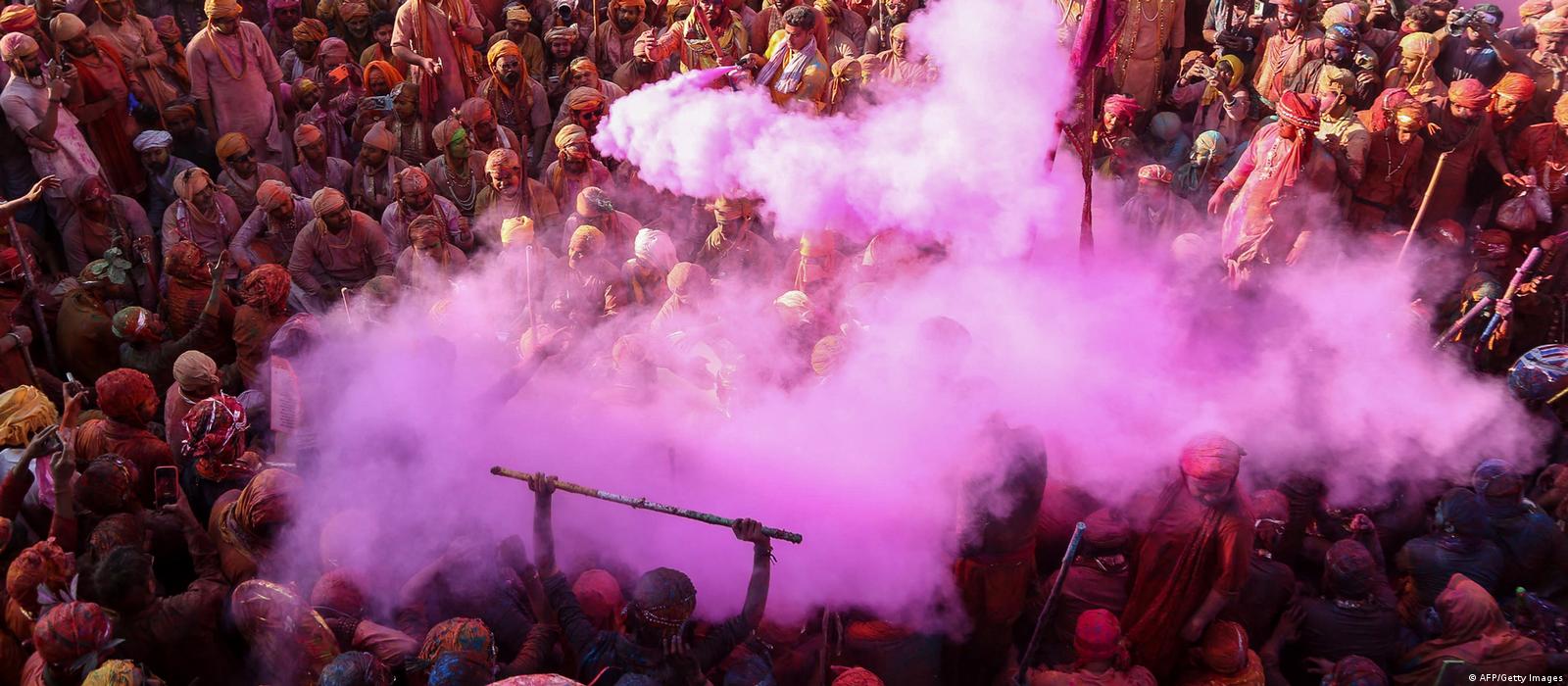
Wild winter’s end
What looks like a wild rave party has roots that go back thousands of years: Holi is traditionally celebrated in the northern regions of India to mark the end of winter. This is also the case in the state of Uttar Pradesh, on the border with Nepal, where the spring festival is celebrated. It is one of the oldest Hindu festivals and is now popular throughout the subcontinent.
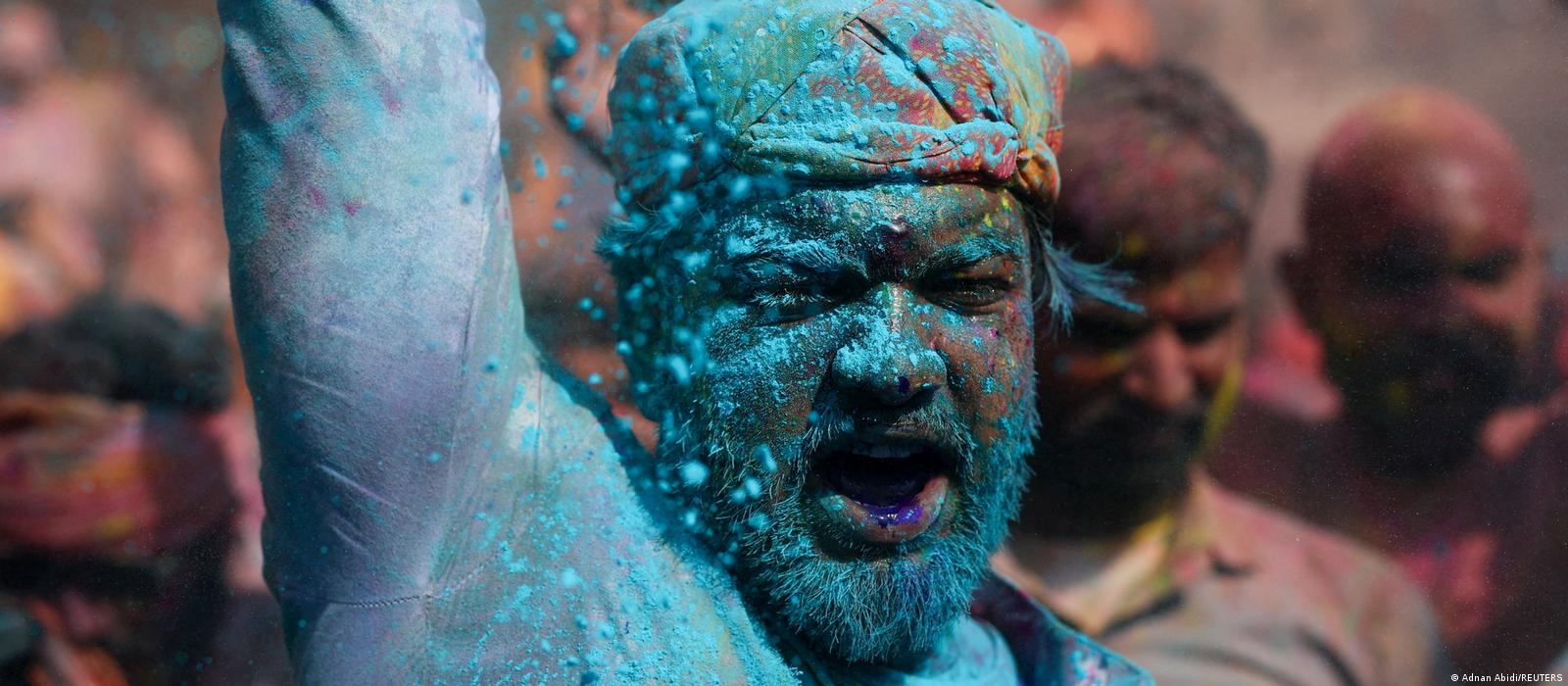
Full Moon Festival
The festival begins on the last full moon day of the Indian month of Phalguna, which corresponds to February or March in the Gregorian calendar. Holi lasts at least two days and up to ten days in some areas.
In 2026, the main day, which is a national holiday, falls on March 4. It is a day off work, and schools and most shops are closed.
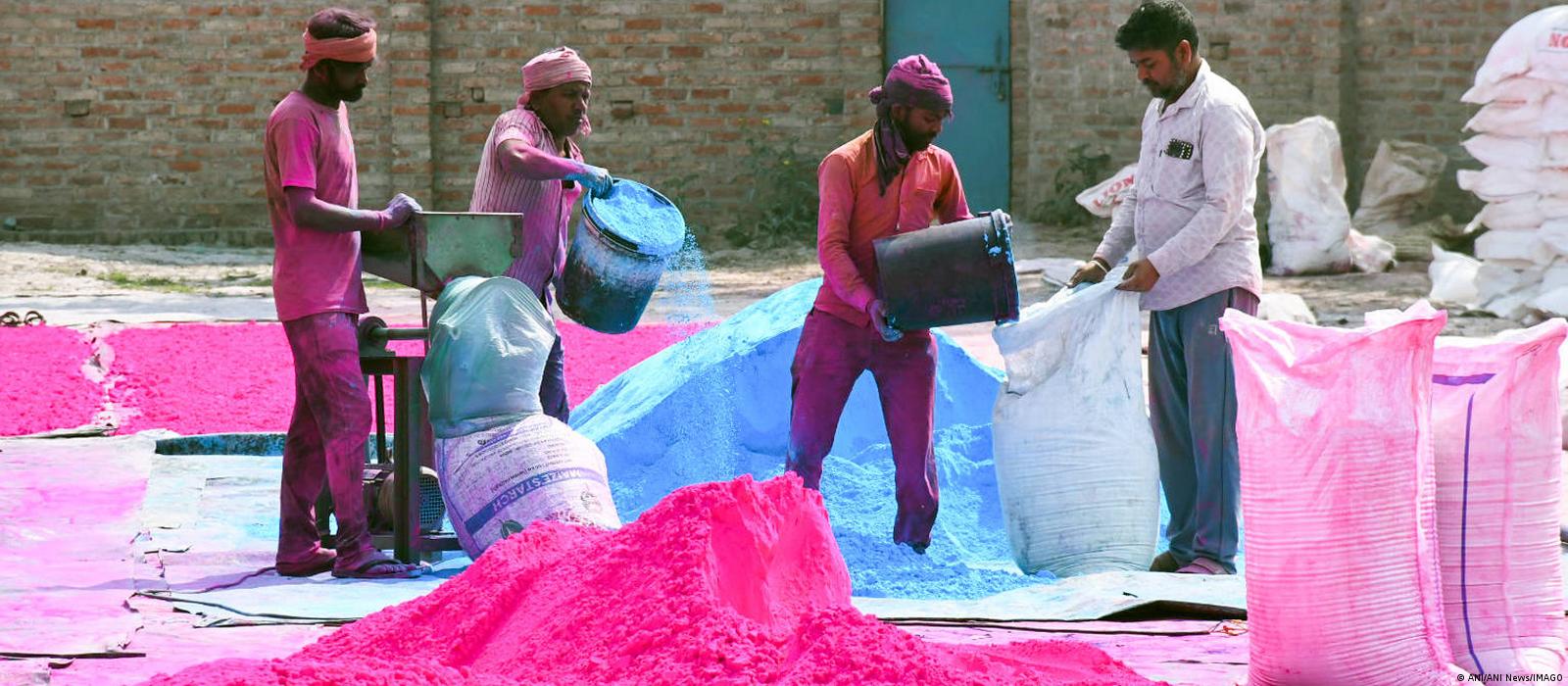
Colorful preparations
Preparations begin weeks before the festivities. These men, for example, are making colored powder. The colors, like the festival itself, have a long tradition. Originally, they were made from natural materials, but today they are often synthetic. Participants regularly report skin and eye irritation, but that hardly stops anyone from celebrating.
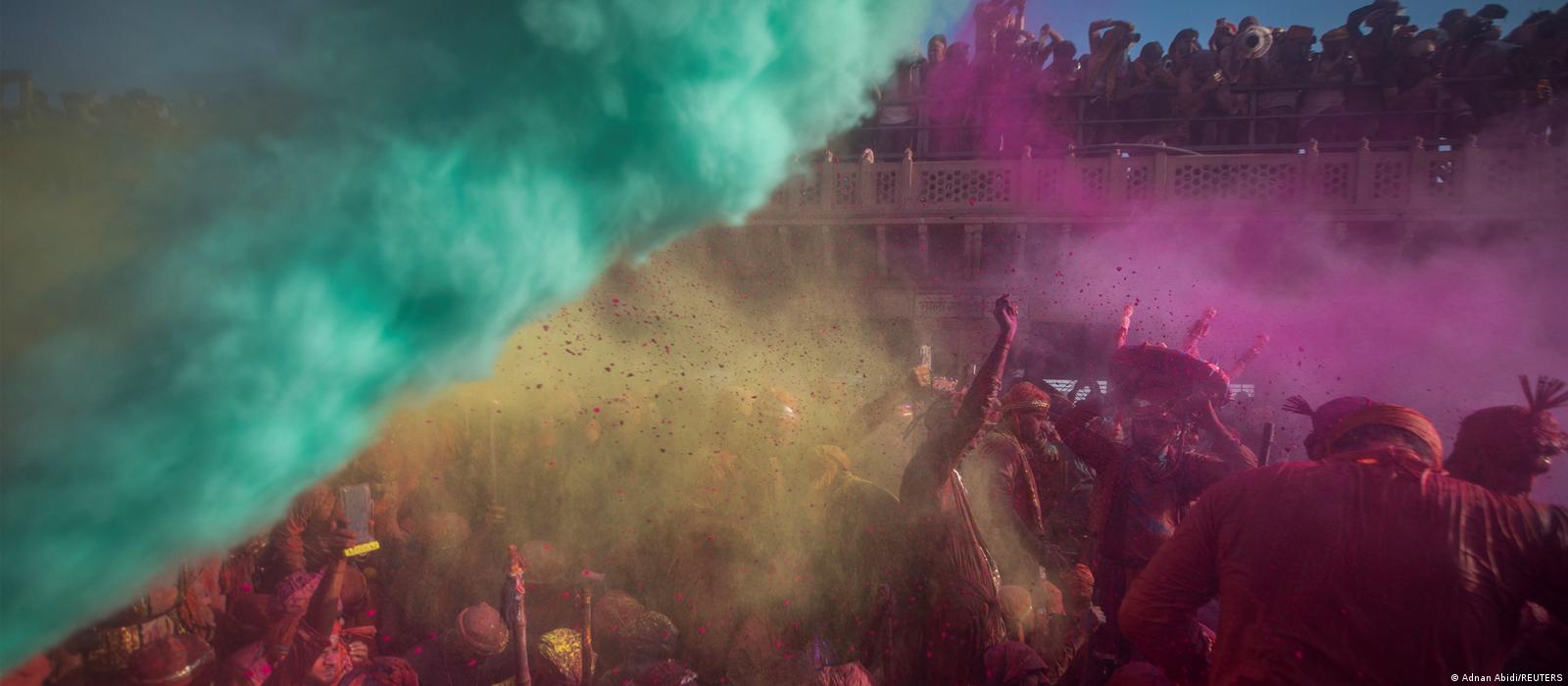
Cloud of color
During the color battle, social barriers are broken down. Caste, gender and age temporarily cease to matter: everyone celebrates together. Music, including both folk songs and Bollywood songs, plays an important role in the Holi festival. Loudspeakers are set up in many public places so that people can celebrate and dance in the streets.
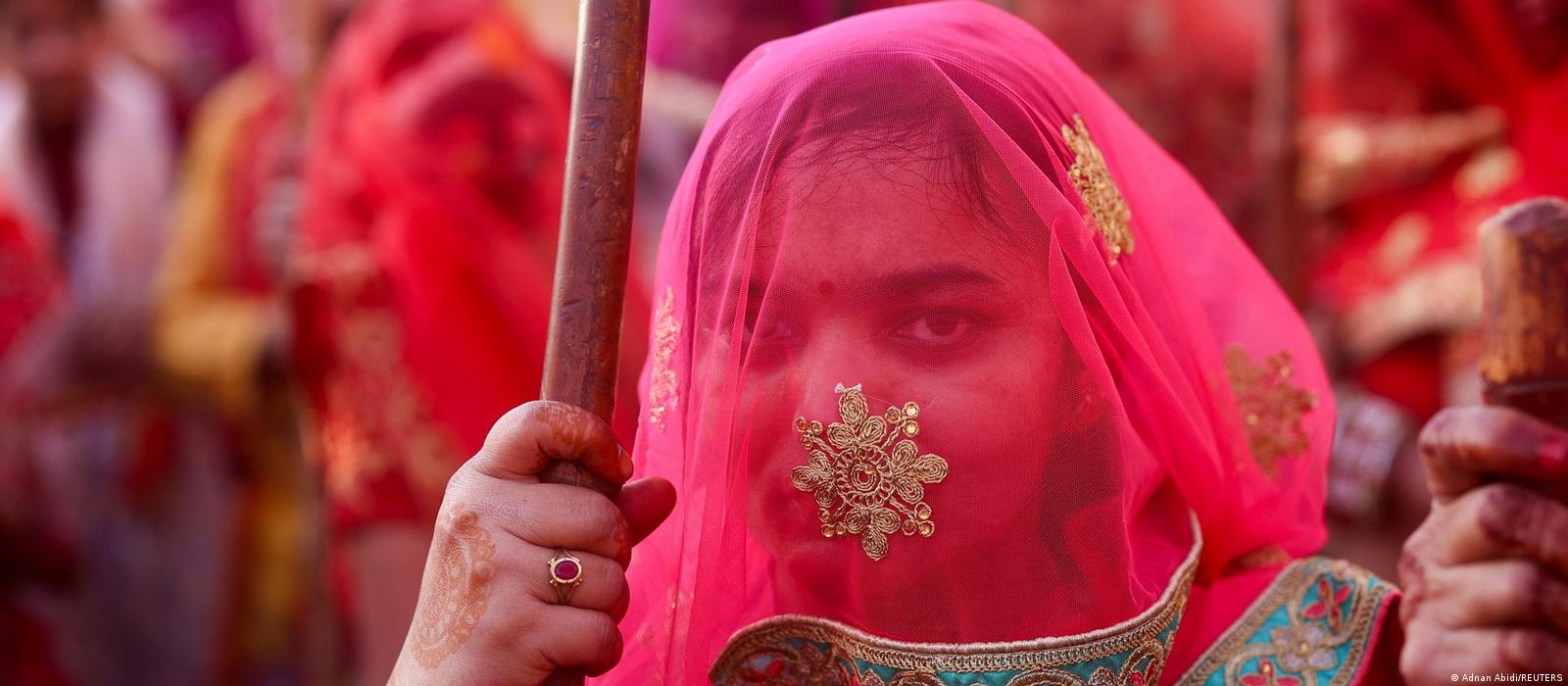
The renewal of life
Like most Indian festivals, Holi has a multifaceted meaning: its religious origin is the rescue of the god-devoted Prahlad by the god Vishnu from the demoness Holika. The festival thus represents the victory of good over evil and the renewal of life. For many devout Hindus, Holi is one of the most important religious festivals of the year.
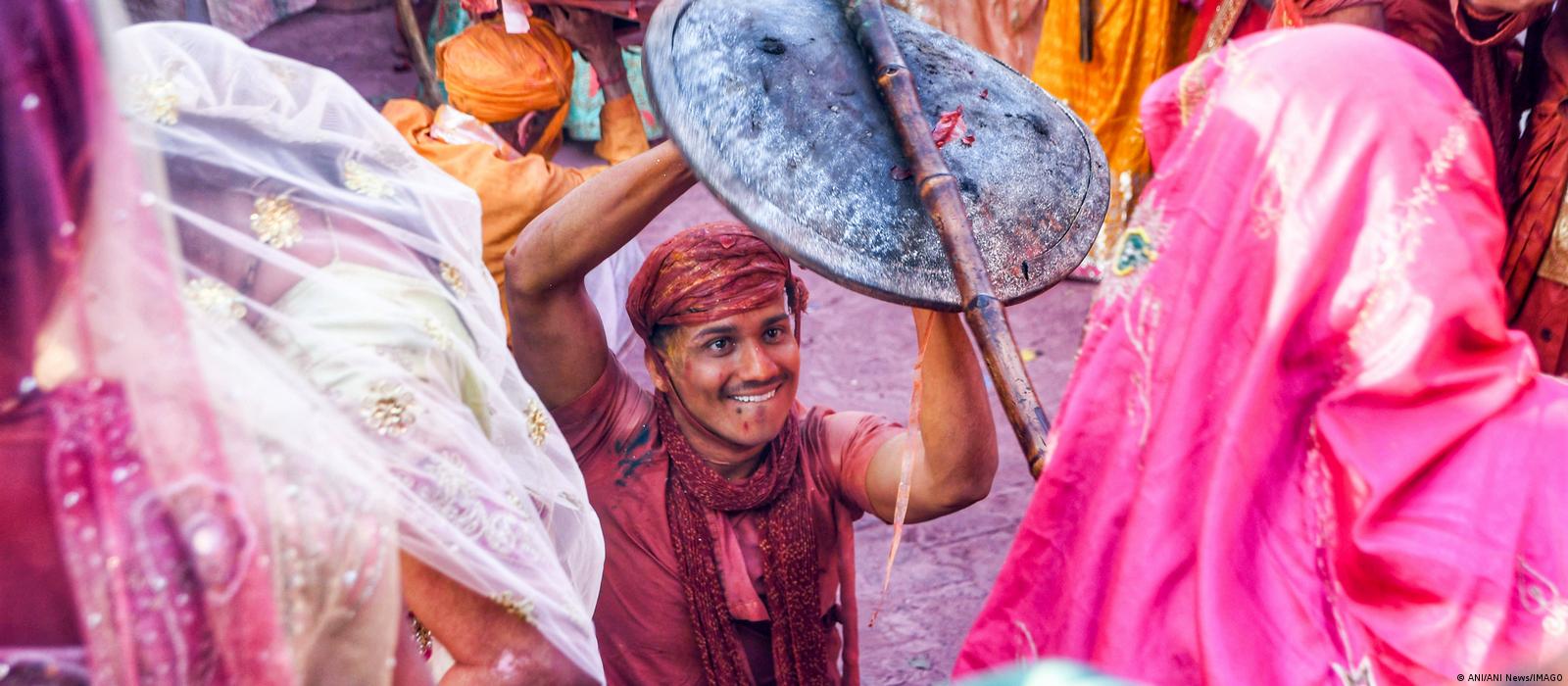
Women’s days
A special variation of the festival called Lathmaar Holi is celebrated in the towns of Barsana and Nandgaon. During the festivities, the women take charge and symbolically beat the men with bamboo sticks. This tradition dates back to a Hindu legend in which the god Krishna was chased away by his beloved with sticks.
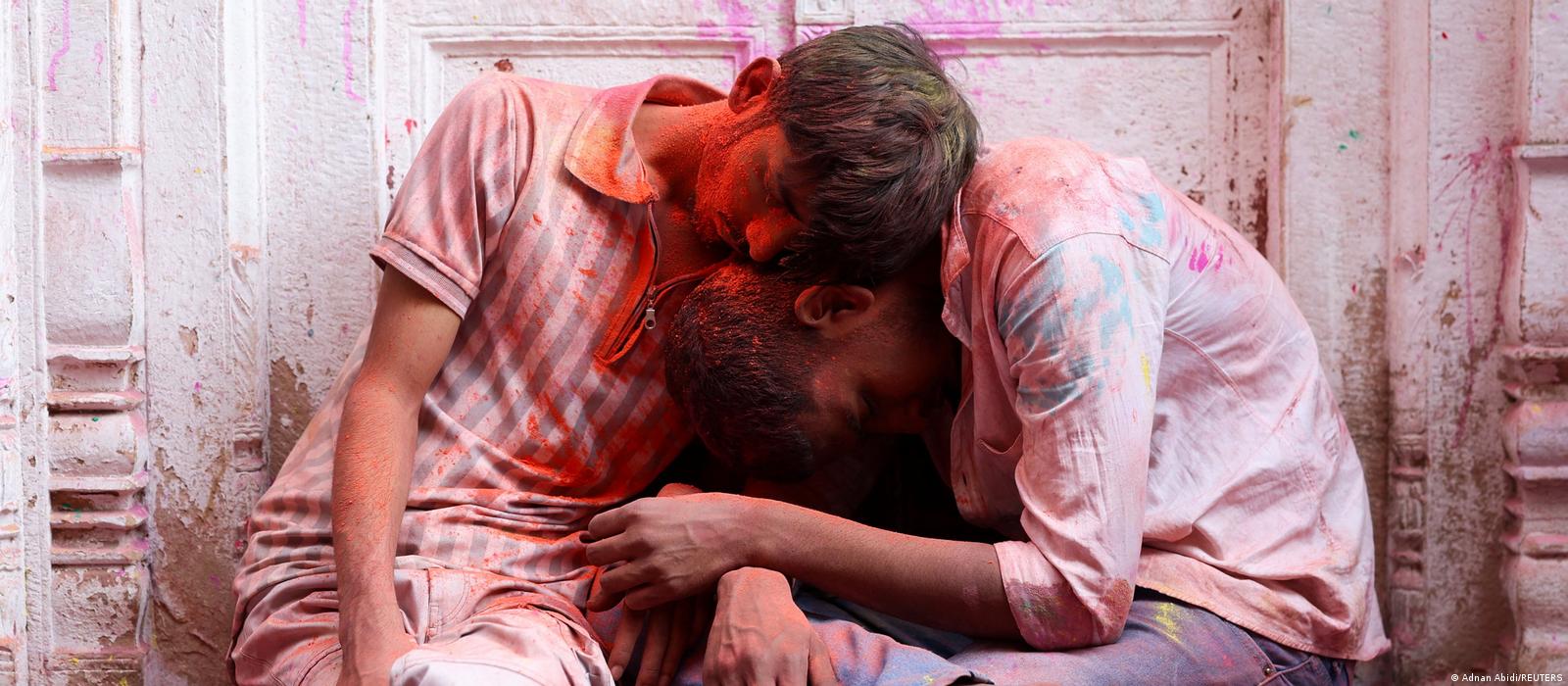
Temple dreams
Perhaps the battle with the women during Lathmar Holi has worn these men out: these two men are exhausted by the celebrations and are sleeping it off outside a temple in Nandgaon. The region in northern India is considered the home of the Hindu deities Krishna and Radha and is the spiritual center of this festival.
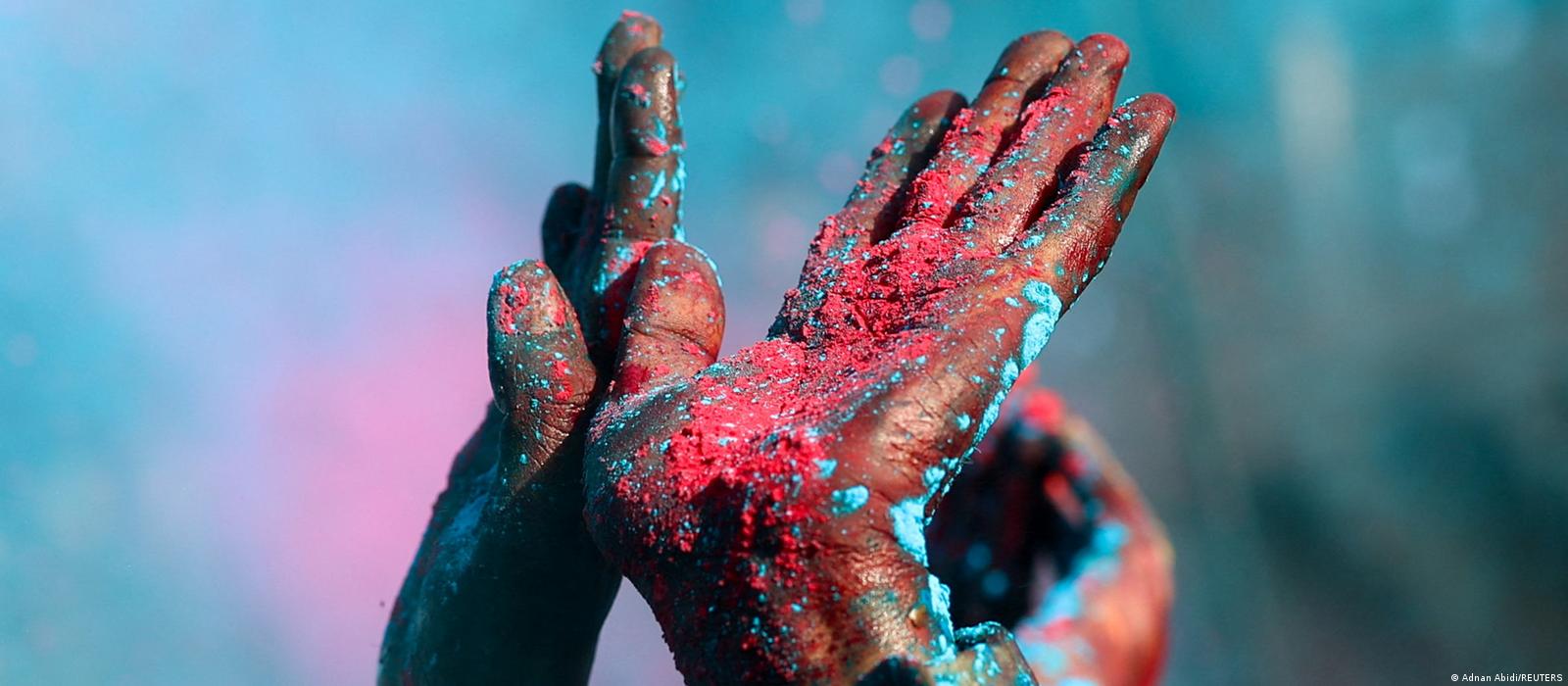
Party with pigments
Holi parties are becoming increasingly popular abroad including in Germany. The cultural adaptations no longer have any religious significance: these festivals, which usually take place in the summer months, are purely about having fun.
The post In India, Holi welcomes spring with a Festival of Colors appeared first on Newswire.