

Thailand revives bill to clear the air of toxic smog
Thailand’s parliament has revived long-delayed legislation to recognize clean air as a protected public right, a major step in a country where seasonal smog has become an annual health emergency.Last week, lawmakers voted 611 to three to advance the Clean Air Act, which now goes to the Senate, parliament’s upper chamber, for scrutiny before it can be submitted to the prime minister and the king for endorsement.
The Clean Air Bill started life as citizen-initiated legislation, first proposed by a coalition of NGOs in 2019 before being taken up by political parties and previous governments. Seven draft versions were later consolidated into a single bill.
The bill would require major emitters in industry, transport and agriculture to pay fees, fines or compensation for damage caused by pollution. It also seeks to trace supply chains, including agricultural imports, to ensure that products linked to open burning or transboundary haze do not escape scrutiny.
At present, air pollution in Thailand is governed by a patchwork of laws, and the new bill is intended to bring those fragmented rules under a more coordinated national framework, while giving local authorities more power to respond to pollution in their own areas.
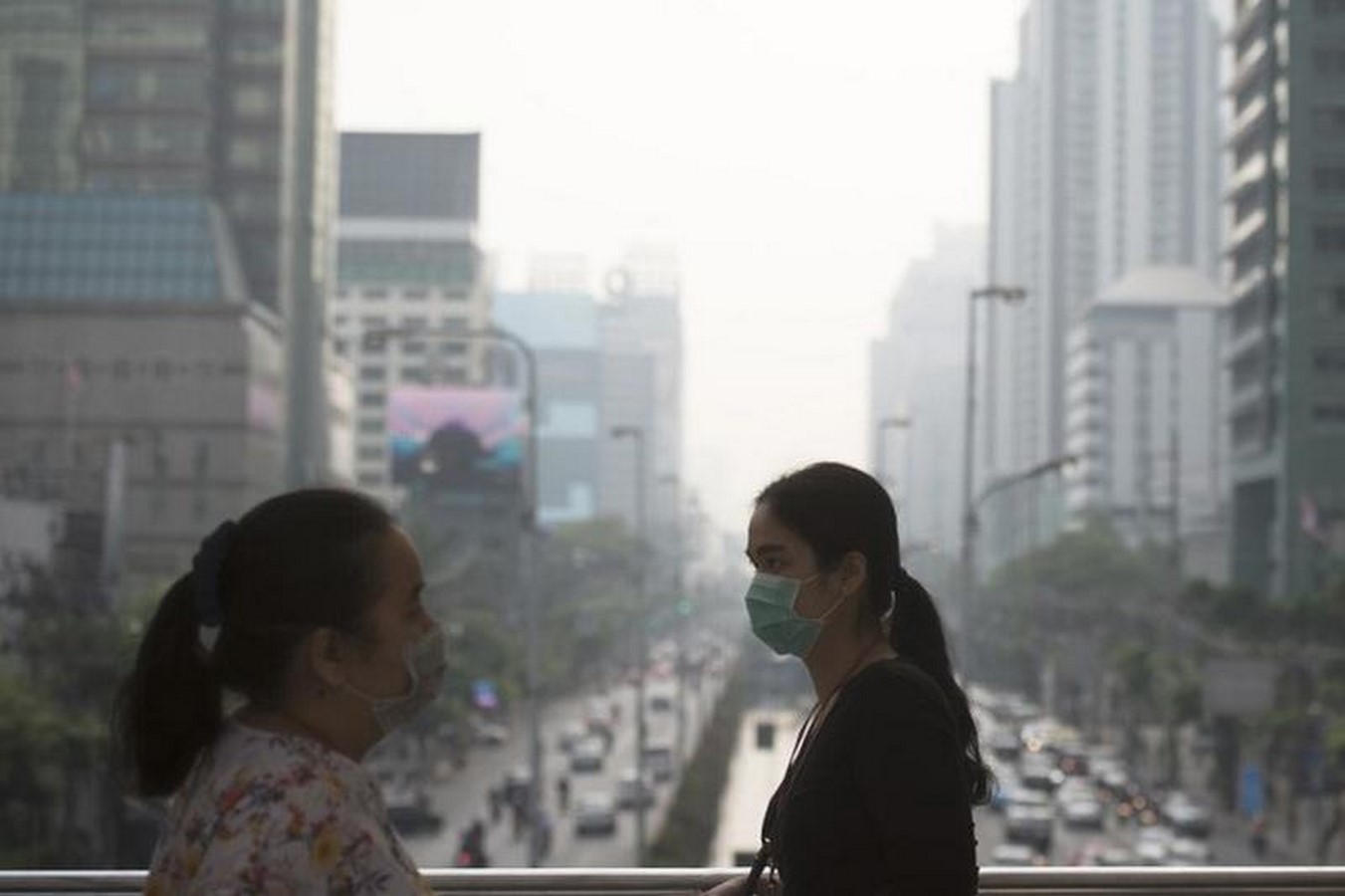
Thailand’s smog problem
Thailand’s air pollution crisis is most severe during the dry season, especially from December to April, when agricultural burning, forest fires, traffic and industrial emissions combine with stagnant weather.
In 2023, around 10 million people sought medical care for pollution-related illnesses, according to environmental reporting. PM2.5, fine particulate matter small enough to enter the bloodstream though the lungs, is the main concern.
According to the World Health Organization, air pollution contributes to more than 32,000 premature deaths in Thailand each year, including illnesses affecting the heart and lungs.
What does the law call for?
The bill introduces and endorses many progressive policy instruments. It requires authorities to reallocate budgets to support clean-air management and to collect pollution taxes. It provides for local ordinances, pollution control zones and area-specific air quality standards.
The bill would also create stronger air-quality monitoring systems, integrate pollution data across agencies and empower local governments to take action when pollution exceeds safe levels.
It includes measures against open burning, stronger regulation of high-emitting sectors and provisions covering transboundary pollution from outside Thailand.
The bill also envisages a Clean Air Fund that would support pollution reduction, public-health responses and assistance for farmers shifting away from burning.
It also promotes evidence-based solutions by encouraging the use of technology, innovation and public data. Citizen monitoring, local watchdog networks and community sensors would gain greater legitimacy within the clean-air system. (DW)
The post Thailand revives bill to clear the air of toxic smog appeared first on Newswire.